
How I Can Help
You may already have a sense of what’s going on for you, or you might simply know that something doesn’t feel right.
Perhaps you’ve been carrying things quietly for a long time. Or something more recent has left you feeling unsettled, overwhelmed, or unsure how to move forward.
People come to counselling for many different reasons. Below are some of the experiences I often work with. You may recognise yourself in one of these, or in several.
Wherever you find yourself, we can begin there.

Anxiety
Anxiety can feel like a constant undercurrent, a quiet tension that rarely switches off. It may shape your decisions, hold you back from speaking freely, or leave you feeling watchful and on edge.
Often it shows up in the body first. Tightness in your chest. A racing heart. A restlessness that makes it difficult to settle. You might struggle to put it into words, only knowing that you rarely feel fully at ease.
From the outside, you may appear capable and composed. Inside, it can be exhausting, holding everything together while managing an internal alarm system that rarely rests.
I do not see anxiety as something to fight against. It is often a protective part of you, trying to anticipate danger and prevent hurt. In our time together, we approach it with curiosity rather than criticism, gently understanding what it is holding and why.
Over time, with care and patience, that anxious part can begin to soften. Not silenced, but supported enough to rest.
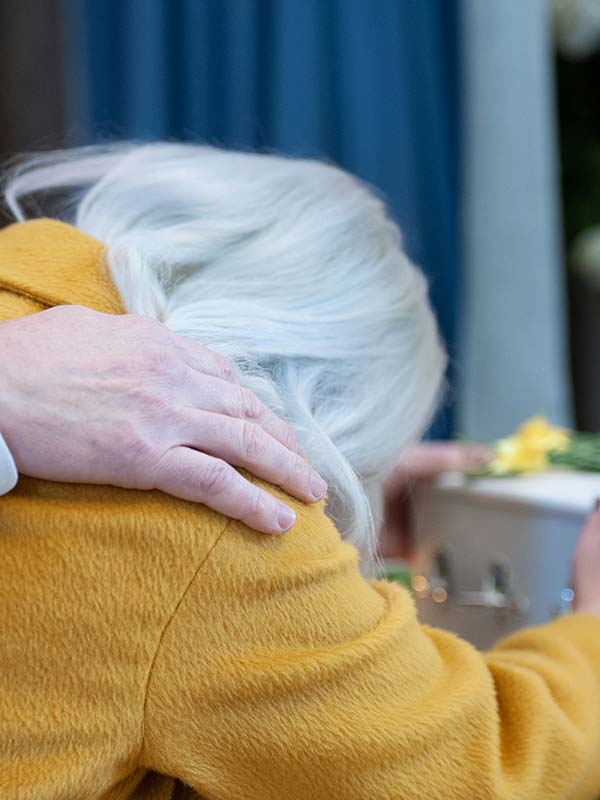
Grief
Grief can feel disorienting and deeply lonely. It often arrives without instruction, leaving you to navigate unfamiliar emotional ground.
It is not only the death of someone you love. Grief can follow the loss of a relationship, a role, a version of yourself, or a future you once imagined. It can come when you step away from family to protect yourself, when illness changes daily life, or when a child’s diagnosis reshapes what lies ahead.
These losses are real, even when they are not publicly recognised.
Unspoken grief can feel especially heavy. Without shared language or clear markers, it can remain quietly carried within you.
In therapy, your grief is not minimised or rushed. It is given space. We make room for the sadness, the anger, the confusion, and the love that often sits alongside it. You do not have to carry it on your own.

Unwelcome Change and Life Transitions
Life does not always move in ways we expect. Sometimes change is imposed upon us. Sometimes we choose it, only to find the reality more complex than we imagined.
Even positive change can bring a sense of loss. A relationship ends with care, yet the absence still aches. A long-awaited move or promotion arrives, and something familiar is left behind. Retirement, relocation, separation, parenthood, recovery — each transition asks something of you.
There is often an in-between space, where you cannot return to what was, but have not yet settled into what comes next. This can feel uncertain and unsettling.
In our time together, we slow this down. We explore what has changed, what has been lost, and what may be emerging. Rather than pushing towards quick answers, the focus is on helping you find steadiness and clarity as you navigate this shift.

Neurodiversity and Late Diagnosis
Receiving a diagnosis later in life can bring a complex mix of emotions. There may be relief in finally having language that makes sense of your experience, alongside grief, anger, or a re-evaluation of your past.
You may begin to see earlier experiences differently. Times you felt misunderstood, criticised, or labelled in ways that never quite fit. Realising that your mind works differently can feel both validating and painful.
It is common for these feelings to sit side by side: clarity and confusion, compassion and resentment, hope and sadness.
Alongside my professional experience, I also bring personal understanding to this work. I recognise how significant a late diagnosis can be, and how it can reshape your sense of identity.
This process is about integration. Making space for what you have learned, while gradually building a relationship with yourself grounded in understanding rather than judgement.
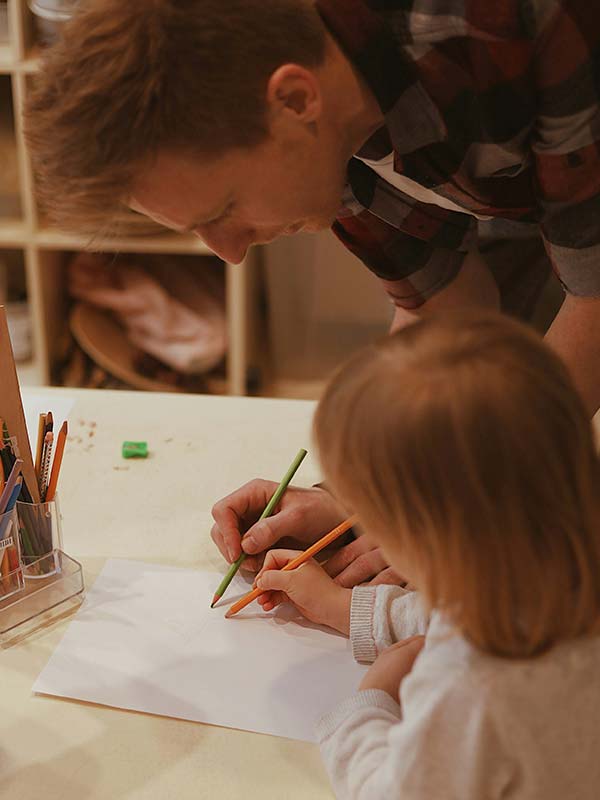
SEND Parenting
Parenting a child with additional needs often asks more than you ever expected.
It can involve navigating systems that feel slow or difficult to access. Managing appointments, assessments, meetings, and ongoing communication. Advocating repeatedly for support, while continuing to parent, care, and hold family life together.
The emotional load can be considerable. Worry about the future. The pressure to get things right. The exhaustion that builds quietly over time.
Within all of this, your own needs can easily become secondary.
Therapy offers a space that is just for you. A place where you are not the advocate, organiser, or the one holding everything together. A space to acknowledge the strain as well as the love, and to speak openly about how it is for you. You matter too.

Medical Diagnosis
A medical diagnosis, whether your own or someone close to you, can alter the landscape of your life.
Even when expected or manageable, it can bring a sense of disruption. Daily routines shift. Plans may need to change. The future can feel less certain.
If you are supporting someone you love, you may find yourself in a caring role you had not anticipated. Learning new information, attending appointments, and holding both practical and emotional responsibilities, often while managing your own feelings quietly.
There can be grief for what was. Fear about what lies ahead. A gradual adjustment to new realities.
In therapy, we make space for all of this. The sadness, the frustration, the resilience, and the hope. The focus is not on returning to how things were, but on finding a way forwards within the life you are living now.
Let’s Meet
If something on this page has resonated with you, you’re very welcome to get in touch.
I offer a free 20-minute introductory call on Zoom. It’s an opportunity for us to meet, for you to get a sense of me and how I work, and for you to share a little about what’s brought you here.
There is no pressure and no expectation to continue. Just a conversation.
If it feels like a good fit for both of us, we can then think about the next steps together.